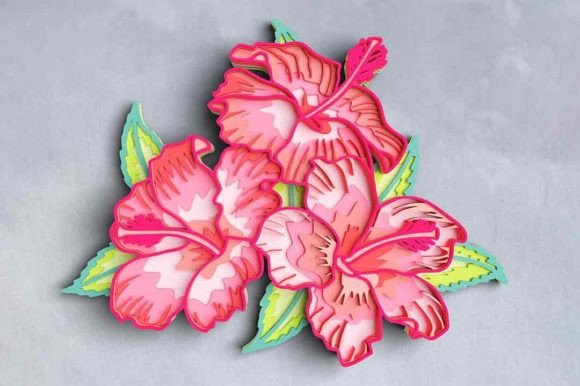
Evaluating the 3D Flower SVG DXF Design: A Deep Dive into Hibiscus Layered Mandalas
For crafters and digital designers, the transition from flat vector art to dimensional projects represents a significant shift in both aesthetic appeal and technical execution. The 3D Flower SVG DXF Design - Hibiscus Svg category has emerged as a popular choice for those looking to create depth without resorting to complex modeling software. Specifically, layered hibiscus mandala designs offer a unique intersection of botanical realism and geometric precision. Unlike standard single-layer cut files, these designs are engineered to be assembled in stages, creating a shadow-box effect that changes depending on the viewer's angle and the lighting conditions of the room.
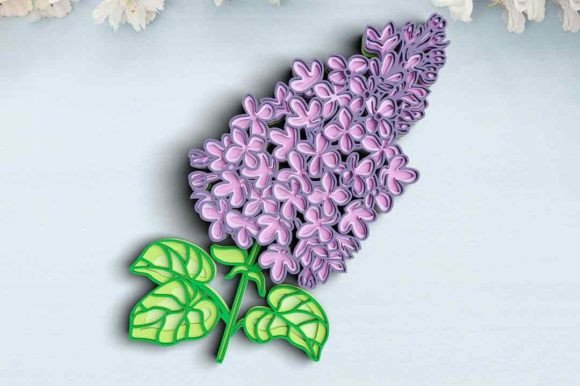
When evaluating whether a multi-layered hibiscus design is the right resource for your next project, it is essential to understand the structural differences between this format and traditional flat vectors. A typical 3D Flower SVG DXF Design - Hibiscus Svg package, such as the 8 or 9-layer variants available in the market, breaks down a single flower into distinct planes. Each layer represents a specific depth level, from the background petals to the foreground stamen. This approach allows users of cutting machines like Cricut, Silhouette, and laser cutters to stack materials—usually cardstock, acrylic, or wood—to achieve a tangible three-dimensional result.
Structural Complexity vs. Flat Vector Alternatives
The primary distinction between a 3D Flower SVG DXF Design - Hibiscus Svg and a standard floral clipart file lies in the file architecture. Standard SVGs are often optimized for printing or single-color vinyl application, where the entire image is treated as one cohesive unit. In contrast, the layered hibiscus mandala requires the user to manage multiple files or groups within a single document. A robust design will typically include between 8 to 9 separate layers. This granularity provides the creator with immense control over color gradients and material textures but introduces a higher degree of complexity during the assembly phase.
Consider the trade-off between visual impact and labor time. A flat hibiscus SVG can be cut and weeded in minutes, making it ideal for high-volume production runs like t-shirt transfers or simple stickers. However, the 3D Flower SVG DXF Design - Hibiscus Svg demands a more deliberate approach. Each of the 8 or 9 layers must be cut, potentially from different colored materials, and then adhered with precise spacing. Foam adhesive tabs or silicone glue are often required to maintain the separation between layers. While this increases the time investment per unit, the resulting product commands a higher perceived value, making it suitable for premium home decor, shadow box gifts, or intricate wall art.
File Format Versatility and Machine Compatibility
One of the critical factors in selecting a digital design resource is format compatibility. High-quality packages for the 3D Flower SVG DXF Design - Hibiscus Svg usually provide a comprehensive suite of file types to accommodate various hardware and software ecosystems. The inclusion of Layered SVG ensures seamless integration with browser-based platforms like Cricut Design Space, where layers can be easily toggled and colored digitally before cutting. For desktop users relying on Silhouette Studio Designer Edition, the Layered DXF or Layered EPS formats offer robust path editing capabilities.
Furthermore, professionals utilizing laser cutting equipment will find the Layered DXF and Layered PDF files particularly valuable. Laser cutters require precise vector paths to engrave or cut through materials like birch plywood or acrylic sheets. The geometric nature of a mandala-style hibiscus translates exceptionally well to laser cutting, as the machine can handle the fine details of the inner petals and the structural integrity of the outer rings with high accuracy. Additionally, the inclusion of high-resolution Layered PNG files (often at 300 dpi) serves a dual purpose: it allows for sublimation printing previews and provides a rasterized version for clients who may not have vector editing software.
Material Considerations and Assembly Techniques
Successfully executing a 3D Flower SVG DXF Design - Hibiscus Svg project relies heavily on material selection. While cardstock is the most common medium due to its rigidity and ease of gluing, the design's potential extends to other substrates. For a more durable, weather-resistant finish suitable for outdoor signage or long-lasting decor, acrylic sheets can be used. However, users must evaluate the thickness of their chosen material against the design's tolerance. If the layers are too close together in the digital file, thick materials may cause the upper layers to obscure the details of the lower ones, defeating the purpose of the 3D effect.
The assembly process itself acts as a filter for potential users. Those seeking quick, instant gratification may find the requirement to align 9 distinct layers tedious. Conversely, hobbyists who enjoy the meditative process of crafting will appreciate the nuance involved. Using spacers between layers is crucial; without them, the design collapses into a flat image. Common techniques include using double-sided foam tape cut to size or applying dots of clear drying glue. The "mandala" aspect of the hibiscus design adds another layer of consideration, as the symmetry must be maintained perfectly during stacking to preserve the geometric harmony of the pattern.
Commercial Viability and Licensing Factors
For entrepreneurs and small business owners, the licensing terms associated with digital downloads are as important as the design quality itself. Many 3D Flower SVG DXF Design - Hibiscus Svg products come with a commercial license, allowing for unlimited project sales without the need for attribution. This is a significant advantage compared to free resources found on general stock sites, which often restrict usage to personal projects only or require credit lines that can clutter product packaging.
When comparing options, it is vital to verify the scope of the commercial license. Does it cover physical end-products only, or does it allow for the resale of the digital file itself? Typically, licenses for these layered designs permit the sale of the finished physical craft (e.g., a framed shadow box) but prohibit sharing or reselling the raw SVG or DXF files. This distinction protects the original designer's intellectual property while enabling crafters to build a business around the physical creation. The ability to produce unlimited units makes these designs scalable for seasonal markets, such as creating batches of hibiscus-themed gifts for spring or summer holidays.
Decision Framework: Is This Design Right for You?
Determining whether to invest in a 3D Flower SVG DXF Design - Hibiscus Svg depends on your specific goals, equipment, and patience levels. If your objective is to create high-end, tactile home decor or unique gifts that stand out in a crowded market, this format is an excellent choice. The visual depth achieved by the 8 or 9-layer structure offers a sophistication that flat prints cannot match. It is particularly well-suited for shadow boxes, where the recessed frame naturally accommodates the stacked layers.
However, if you are working with limited time or lack the necessary adhesives and spacing tools, a flat vector alternative might be more pragmatic. Similarly, if your cutting machine struggles with intricate details or very small shapes, the inner layers of a complex mandala hibiscus might present challenges. In such cases, simplifying the design by omitting the innermost layers or choosing a version with fewer total layers could be a viable workaround.
Ultimately, the 3D Flower SVG DXF Design - Hibiscus Svg represents a versatile tool in the modern crafter's arsenal. Its strength lies in its adaptability across different machines (Cricut, Silhouette, Laser) and materials, combined with the professional finish of a multi-dimensional artwork. By understanding the requirements for assembly and the benefits of the included file formats—ranging from AI and CDR for professional illustrators to PNG for quick previews—users can make an informed decision that aligns with their creative vision and operational capacity.