Mastering the Art of the Floral Photo Frame Paper-Cut SVG for Flawless Projects
There is a distinct satisfaction in watching a sheet of plain paper transform into an intricate piece of art through the precision of a cutting machine. The Floral Photo Frame Paper-Cut SVG has become a staple for crafters, small business owners, and DIY enthusiasts looking to add a touch of elegance to home decor or personalized gifts. However, the difference between a professional-looking finished product and a frustrating, torn mess often comes down to the quality of the digital file you start with and how well you understand the specific requirements of paper crafting. Many creators rush into downloading the first design they see, only to encounter issues during the weeding or assembly process that could have been easily avoided with a more discerning eye.
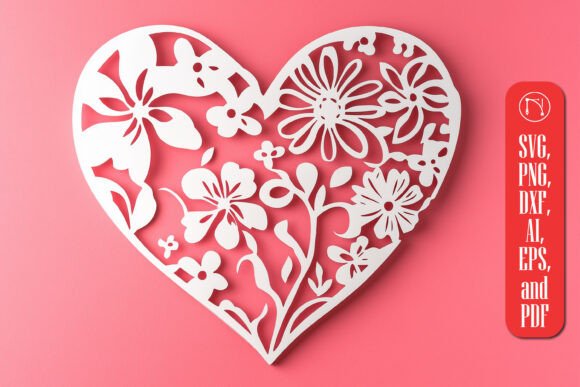
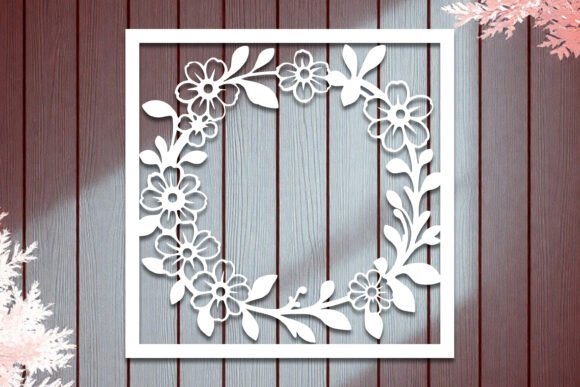
When you are searching for a Floral Photo Frame Paper-Cut SVG, it is tempting to focus solely on the visual preview image. After all, the delicate vines and blooming flowers look stunning on a screen. Yet, a beautiful preview does not guarantee a functional cut file. One of the most common misunderstandings beginners face is assuming all vector files are created equal. A design that looks perfect in a thumbnail might be a nightmare to weed if the lines are too close together or if the layers are not properly organized for multi-color projects. This oversight can lead to wasted material, broken blades, and significant loss of time, which is especially costly for entrepreneurs fulfilling orders.
Understanding File Formats and Compatibility
A critical area where mistakes frequently occur is in the selection of file formats. Not every software application reads every file type with the same level of precision. When you acquire a comprehensive package, you should expect a variety of formats to ensure compatibility with your specific workflow. For instance, having access to AI vector files is essential for Adobe Illustrator users who need to tweak anchor points or scale the design without losing resolution. Similarly, an EPS FILE serves as a universal standard that works across many different vector editing programs, providing a safety net if your primary software acts up.
For those using cutting machines like Cricut or Silhouette, the SVG FILE is the gold standard. It preserves the cut paths exactly as the designer intended. However, a frequent error is attempting to use raster images like HIGH PNG FILE or JPG FILE for the actual cutting process. While these are excellent for sublimation printing or digital mockups, they lack the mathematical paths required for a blade to follow. Using a JPG for cutting forces the software to trace the image, often resulting in jagged edges and inaccurate cuts that ruin the delicate floral details. Always verify that your primary working file is a true vector format before sending it to your machine.
Furthermore, do not overlook the value of CAD-compatible formats if you work in engineering or architectural visualization. Files such as DWG FILE and DXF allow the floral frame to be integrated into larger technical drawings or used with laser cutters that require precise coordinate data. If a download package lacks these specific extensions and you intend to use the design in CAD and Autodesk applications, you may find yourself unable to import the design correctly, leading to scaling errors or missing elements. Ensuring your resource includes these varied formats future-proofs your purchase and expands your creative possibilities.
The Perils of Poor Layering and Scale
Beyond file types, the internal structure of the Floral Photo Frame Paper-Cut SVG dictates how easy it is to assemble. A major pitfall for many crafters is purchasing designs that are not layered logically. In paper cutting, depth is created by stacking multiple sheets of cardstock. If the designer has not separated the foreground flowers from the background frame or the photo placeholder into distinct, clean layers, you will spend hours manually separating elements in your software. This not only reduces efficiency but increases the risk of accidentally deleting crucial connection points that hold the paper together.
Scale is another silent killer of good projects. A design might look proportional on a computer monitor, but when scaled up to a 12x12 inch frame, the intricate details might become too fragile to survive the weeding process. Conversely, shrinking a complex design too much can cause the cut lines to merge, making it impossible to remove the negative space. Before committing to a cut, always perform a test run on a small piece of scrap paper. This simple step allows you to evaluate if the bridges—the tiny pieces of paper connecting the petals and leaves—are thick enough to hold the weight of the cardstock. Ignoring this verification step often results in a collapsed frame that cannot support its own structure.
Choosing the Right Materials for Your Design
Even with a perfect Floral Photo Frame Paper-Cut SVG, the wrong material choice can undermine your efforts. Many beginners make the mistake of using standard printer paper or cardstock that is too heavy for the intricacy of the design. For detailed floral cuts, a high-quality 65lb to 80lb cardstock is usually the sweet spot. It provides enough rigidity to hold the shape but is thin enough to allow for sharp, clean cuts without excessive pressure that might tear the fibers. If you are creating a multi-layered shadow box effect, consider using varying shades of the same color family to enhance the depth, rather than clashing colors that distract from the silhouette.
Additionally, pay attention to the grain direction of your paper. Cutting against the grain can cause the paper to fray or curl, particularly in long, slender stems common in floral designs. Aligning your SVG FILE with the grain of the paper ensures smoother cuts and a flatter final presentation. This level of attention to detail separates amateur hobbyists from professionals who consistently deliver high-quality products to their clients.
Making an Informed Decision
Before finalizing any download or purchase, take a moment to review what is actually included in the package. A robust collection should provide everything you need to succeed regardless of your toolset. Look for a bundle that explicitly lists AI vector files, EPS FILE, SVG FILE, HIGH PNG FILE, JPG FILE, DWG FILE, and DXF. This variety ensures that whether you are a graphic designer, a laser cutter operator, or a home crafter, you have the right tool for the job. Remember, a file that can be used in CAD and Autodesk applications opens doors to industrial uses that standard craft files do not.
If you encounter ambiguity about the file contents or have specific requirements for your project, do not hesitate to reach out. Most reputable designers are happy to clarify details. As the note suggests, "If you have any questions, please send us a message." Taking this proactive step can save you from downloading incompatible files and ensure that your vision for the Floral Photo Frame Paper-Cut SVG becomes a reality. By understanding the technical nuances of file formats, layering, and material science, you empower yourself to create stunning, durable, and professional-grade paper art that stands the test of time.