Unlocking Creativity with 3D Floral Mandala SVG Files for Cricut and Laser Cutting
In the rapidly evolving world of digital crafting, the intersection of traditional artistry and modern technology has opened up unprecedented opportunities for creators. Among the most captivating trends in this space is the use of 3D Floral Mandala SVG files. These intricate digital designs are not merely static images; they are blueprints for tangible beauty, compatible with a wide array of cutting machines including the popular Cricut and professional laser cutters. Whether you are a hobbyist looking to personalize your home decor or a small business owner aiming to expand your product line, understanding how to leverage these files can transform your creative workflow.
The Allure of the Mandala in Modern Crafting
The mandala, a geometric configuration of symbols, has roots in various spiritual traditions, particularly in Hinduism and Buddhism, where it represents the universe. In contemporary design, the mandala has transcended its spiritual origins to become a symbol of balance, harmony, and intricate beauty. When combined with floral elements, the result is a design that feels both organic and structured, appealing to a broad aesthetic sensibility.
Creating these complex patterns by hand is a time-consuming endeavor that requires immense precision. This is where digital files come into play. A 3D Floral Mandala SVG file allows crafters to achieve a level of detail that would be nearly impossible to replicate manually. The "3D" aspect refers to the layering technique used during assembly. By cutting multiple layers of material and stacking them with spacers, crafters can create a shadow box effect that adds depth and dimension to the flat material, bringing the floral motifs to life.
Compatibility and File Formats: A Comprehensive Guide
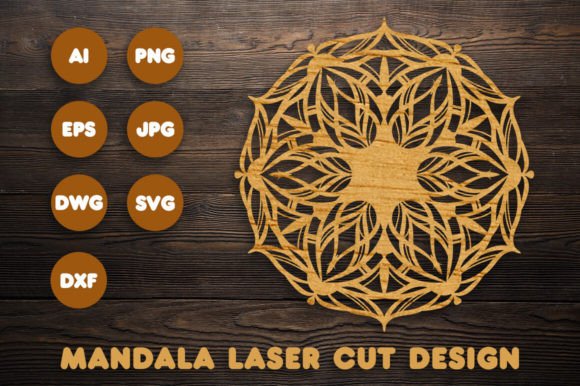
One of the most significant advantages of purchasing high-quality digital assets is versatility. A robust digital package should not limit you to a single machine or software. The Floral mandala laser cut digital file discussed here is designed with universal compatibility in mind. It is available in a multitude of formats, ensuring that regardless of your preferred tool or software, you can proceed with your project without technical hurdles.
- SVG (Scalable Vector Graphics): This is the gold standard for users of Cricut Design Space, Silhouette Studio, and other web-based cutting software. SVGs retain their quality at any size, ensuring crisp cuts whether you are making a small coaster or a large wall hanging.
- EPS and AI (Encapsulated PostScript and Adobe Illustrator): These formats are essential for professional designers using Adobe Illustrator or CorelDRAW. They allow for easy editing of nodes and paths, giving advanced users the ability to customize the design further.
- DWG and DXF: These are crucial for users operating CAD software or specific laser cutting systems that require precise vector data for industrial-grade machinery.
- PNG and JPG: While these are raster images and not suitable for cutting paths, they are invaluable for sublimation printing, digital planning, or using as reference images when painting or assembling the physical pieces.
This multi-format approach ensures that the file is compatible with a range of software programs, from beginner-friendly apps to professional-grade design suites. It removes the barrier of entry, allowing anyone with a cutting machine to access professional-level designs.
Precision Engineering for Laser Cutters
While these files work beautifully with blade-based cutters like the Cricut, they have been specifically engineered for laser cutting machines. Laser cutters offer a distinct advantage when dealing with intricate mandala patterns: precision. The fine details of floral petals and geometric intersections require a cutting method that does not drag or tear the material. A laser beam vaporizes the material along the path, resulting in clean, smooth edges even on the smallest components.
When using a laser cutter, the DWG or DXF formats are often preferred because they communicate directly with the machine’s controller software, such as LightBurn or RDWorks. The file’s design accounts for kerf—the width of the material removed by the laser—ensuring that pieces fit together snugly during the 3D assembly process. This attention to technical detail is what separates a generic clipart file from a purpose-built crafting asset.
Material Considerations for Best Results
To truly appreciate the intricacy of a 3D floral mandala, material selection is key. While cardstock is a common choice for Cricut users, laser cutters can handle a wider variety of materials:
- Wood Veneer: Thin sheets of birch or bamboo veneer provide a natural, warm aesthetic. The laser engraves slight burn marks that can enhance the contrast between layers.
- Acrylic: Colored acrylics can create stunning translucent effects, especially when backlit. The precision of the laser ensures that acrylic does not crack under stress.
- Paper and Cardstock: For those without laser cutters, heavy-weight cardstock works well. However, patience is required when weeding out the tiny negative spaces.
From Digital File to Physical Masterpiece
Once the design has been cut out, the real magic begins. The versatility of the 3D Floral Mandala means it can be utilized in a variety of ways, limited only by your imagination. Here are some practical applications that highlight its relevance in modern home decor and gifting:
Wall Art: The most popular application is framed wall art. By mounting the layered mandala in a deep shadow box frame, you create a piece that changes appearance depending on the lighting and viewing angle. The shadows cast by the upper layers onto the lower ones add a dynamic visual element that flat art cannot achieve.
Decorative Accents: Smaller versions of the mandala can be used as ornate coasters, lamp shades, or even jewelry components. When cut from wood, they make excellent rustic-chic ornaments for holiday decorations.
Stencils for Painting: If you are interested in mixed media, the cut-out mandala can serve as a sophisticated stencil. By placing the layered design over a canvas and spraying paint through the gaps, you can create textured, multi-colored backgrounds for other artworks.
What You Get: Breaking Down the Package
When you acquire this specific digital asset, you are receiving a comprehensive toolkit for creation. The package includes 1 design delivered in all the aforementioned formats: SVG, EPS, AI, PNG, JPG, DWG, and DXF. This all-in-one approach eliminates the need to convert files using third-party software, which can often lead to errors or loss of detail. Having immediate access to vector files means you can scale the design up or down without losing resolution, a critical feature for customizing projects to fit specific frames or spaces.
Common Misconceptions About 3D Paper Crafting
Many beginners assume that 3D mandalas are too difficult to assemble. While they do require patience, the process is logical and forgiving. Another common misunderstanding is that you need expensive equipment. While a laser cutter yields the fastest results, a standard desktop cutting machine like a Cricut Maker or Silhouette Cameo is perfectly capable of handling these files, provided you use the right blade and mat settings. The key is starting with a manageable size and gradually working toward more complex, larger installations.
Conclusion: Elevating Your Creative Practice
The integration of 3D Floral Mandala SVG files into your crafting repertoire represents more than just a new project idea; it is an invitation to explore the synergy between digital precision and tactile artistry. Whether you are creating a serene piece of wall art for your living room or developing a new product line for your Etsy shop, these files provide the foundation for high-quality, professional-looking results. By understanding the file formats, respecting the capabilities of your cutting machine, and experimenting with different materials, you can unlock the full potential of this intricate design. Embrace the complexity, enjoy the process, and let the geometry of nature inspire your next masterpiece.