Unicorn 3D SVG Multilayer Laser Files: Crafting Enchanting Depth for Modern Decor
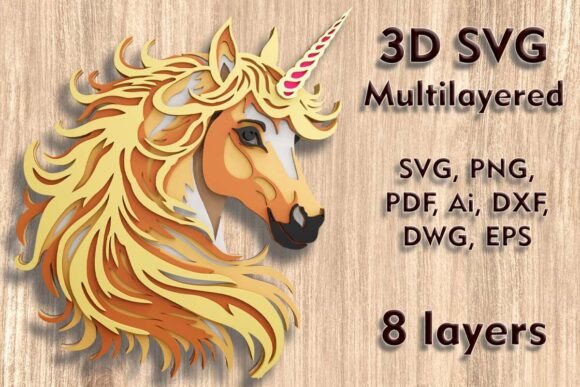
There is a distinct satisfaction in holding a piece of art that you created, especially when it leaps off the wall with tangible depth and shadow. This is the magic offered by Unicorn 3D SVG Multilayer Laser Files. Unlike standard flat cutouts, these designs utilize a technique known as layering or stacking to create a three-dimensional effect. The specific design we are exploring today features a majestic unicorn integrated into a mandala pattern, split across eight separate layers. When assembled, these layers catch the light differently, creating shadows and highlights that give the mythical creature a lifelike presence.
The appeal of this file format extends far beyond simple aesthetics. For adults ranging from hobbyist crafters to small business owners, the transition from 2D to 3D crafting opens up a new realm of possibilities. Whether you are looking to fill a blank space in your living room with something whimsical yet sophisticated, or you need a standout product for your next craft fair, understanding how to leverage these multilayer files is key.
Bringing Mythical Creatures to Life in Home Decor
The most immediate application for Unicorn 3D SVG Multilayer Laser Cutting Files is in home interior design. Wall art often suffers from being too flat; a printed canvas or a single sheet of vinyl lacks texture. By utilizing the eight-layer structure of this specific unicorn mandala, you introduce architectural interest to a room. Imagine this piece hanging in a child's bedroom, not as a childish sticker, but as an elegant, textured focal point that grows with them. The mandala element adds a geometric sophistication that balances the fantasy of the unicorn, making it suitable for nurseries, playrooms, or even eclectic adult spaces.
Because the design relies on spacing between layers, it interacts beautifully with natural and artificial light. As the sun moves across a room during the day, the shadows cast by the raised layers shift, subtly changing the appearance of the artwork. This dynamic quality makes it superior to static prints. For those who enjoy changing their decor seasonally, these files allow you to swap out materials—perhaps using warm-toned wood in the autumn and crisp white cardstock in the winter—while keeping the same enchanting shape.
Versatility Across Materials and Machines
One of the strongest assets of these files is their adaptability. The package typically includes a ZIP folder containing a wide array of formats: SVG, layered SVG, DXF, DWG, EPS, AI, PNG, and PDF. This ensures compatibility regardless of your hardware. If you are a Cricut or Silhouette enthusiast, the SVG files are ready to load directly into Design Space or Studio software. For those operating industrial or desktop laser cutters like Glowforge, xTool, or CNC routers, the DXF and DWG files provide the precision vector paths needed for clean cuts.
The material options are equally diverse. You can cut these layers from:
- Plywood and MDF: Ideal for sturdy, long-lasting wall art. The natural grain of plywood adds warmth, while MDF offers a smooth surface perfect for painting.
- Acrylic: Using colored or frosted acrylic sheets can create a modern, glowing effect, especially if backlit.
- Cardstock and Paper: Perfect for intricate greeting cards or lightweight decorations where cost and ease of assembly are priorities.
- Cardboard: A sustainable, budget-friendly option great for prototyping or large-scale installations.
- Aluminum: For a sleek, industrial look, though this requires specific laser settings.
This flexibility means the same digital file can result in a rustic wooden sign for a farmhouse kitchen or a delicate paper invitation for a birthday party. The ability to switch materials allows creators to tailor the final product to the specific taste of the recipient or the style of the room.
Navigating Size and Scale Considerations
The standard dimensions for this unicorn design are 250 x 225 mm (9.85 x 8.85 inches). This is a versatile "medium" size, large enough to make a statement on a shelf or wall but small enough to fit within the bed of most desktop lasers and cutting mats. However, one of the greatest advantages of vector files is scalability. You can easily increase the size of the design to create a massive centerpiece for an event or a large living room installation.
However, a word of caution is necessary regarding reduction. While enlarging is generally safe, reducing the design requires careful consideration. Because the artwork consists of eight layers with potentially thin connecting elements and fine details in the mandala patterns, shrinking the file too much can compromise structural integrity. If the lines become too thin for your chosen material, they may burn through during laser cutting or tear during weeding with a vinyl cutter. Always check the minimum line thickness relative to your material before scaling down significantly.
From Hobby to Small Business
For entrepreneurs selling on platforms like Etsy or at local markets, Unicorn 3D SVG Multilayer Laser Files represent a high-value product opportunity. Handmade home decor is a competitive market, but 3D layered art stands out due to its perceived complexity and quality. Customers are often willing to pay a premium for items that look difficult to make. Since the digital heavy lifting—the separation of layers and path optimization—is already done, the creator can focus on material selection, finishing, and assembly.
Consider the gifting angle as well. A handmade 3D unicorn card made from high-quality cardstock is far more memorable than a store-bought equivalent. It serves as a keepsake rather than disposable paper. Similarly, personalized gifts for new parents or children's birthdays become infinitely more special when they feature a custom-colored, multi-dimensional design. The "wow" factor of peeling back the layers to reveal the depth of the image creates an emotional connection that flat images simply cannot achieve.
Practical Tips for Assembly and Finish
Working with eight layers requires patience and a bit of strategy. When cutting from wood or MDF, sanding the edges lightly before assembly can prevent splinters and ensure a tight fit. If you plan to paint the layers, it is often easier to do so before assembling the stack, ensuring that no hidden surfaces remain unfinished. Adhesive choice is also critical; double-sided tape works well for paper and cardstock, while wood glue or strong epoxy is necessary for heavier materials like plywood and acrylic.
Spacing is another element to experiment with. While the file provides the shapes, the distance between the layers determines the depth of the shadow. Using foam tape spacers between layers can exaggerate the 3D effect, making the unicorn appear to float further from the background. This is particularly effective when mounting the piece against a contrasting wall color.
Unlocking Creative Potential
Ultimately, the value of Unicorn Mundala Svg and similar 3D multilayered designs lies in their ability to bridge the gap between digital convenience and tactile artistry. They provide a structured foundation that eliminates the hours of manual vector tracing, allowing you to jump straight into the creative process of material selection and fabrication. Whether you are upgrading your own home decor, looking for a meaningful project to share with family, or expanding your product line with unique wall art, these files offer a reliable and enchanting solution. The combination of mythical imagery, geometric precision, and dimensional depth ensures that the final result is nothing short of a craft wonder.