Crafting Dimension: A Comprehensive Guide to Lily 3D SVG Multilayer Cutting Files
The evolution of digital fabrication has transformed how creators approach wall art and decorative design. What was once the domain of specialized artisans is now accessible to hobbyists and professionals alike through the power of vector-based layering. At the forefront of this movement are intricate designs like the Lily 3d SVG Multilayer Cutting Files, which offer a sophisticated pathway to creating depth and texture without the need for complex manual assembly. This specific design, characterized by its botanical elegance and structural complexity, serves as an excellent case study for understanding the capabilities of modern cutting technologies.
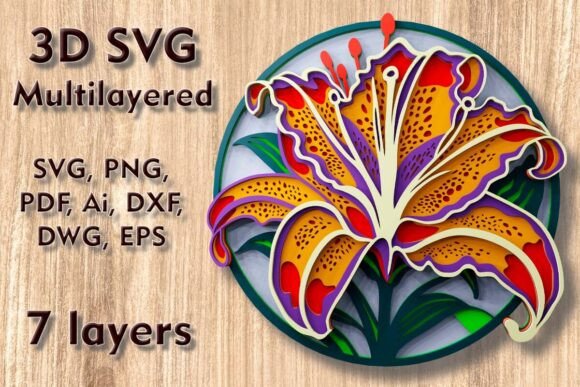
When engaging with a project of this nature, the primary appeal lies in the transition from a flat digital concept to a tangible, three-dimensional object. The Lily 3d SVG Multilayer Cutting Files are engineered to consist of seven separate layers. This multi-tiered approach is not merely aesthetic; it is a technical requirement for achieving the shadow play and relief that define high-quality 3D papercutting or wood carving. Each layer represents a specific depth plane, and when stacked, they create a cohesive image that changes appearance depending on the viewing angle and lighting conditions.
Technical Specifications and Dimensional Integrity
Understanding the physical constraints and possibilities of a digital file is crucial before beginning any fabrication process. The standard configuration for this particular lily design is set at a size of 240 x 240 mm, which translates to approximately 9.45 x 9.45 inches. This dimension provides a balanced canvas that is large enough to showcase detail while remaining manageable for most desktop cutting machines and laser beds.
A critical aspect of working with these files is the scalability. The vector nature of the source files allows the design to be easily increased in size to fit larger wall spaces or grander installations. However, creators must exercise caution when attempting to reduce the design. The integrity of the Lily 3d SVG Multilayer Cutting Files relies heavily on the thickness of the connecting elements, often referred to as "bridges" or "ties." These thin elements hold the inner parts of the petals and leaves in place. If the overall dimensions are shrunk too aggressively, these bridges may become thinner than the kerf (cut width) of the machine or too fragile to support the weight of the material, leading to structural failure during the weeding or assembly process.
The design comprises exactly seven layers. This number is significant because it offers sufficient depth for a dramatic effect without becoming unmanageably thick or requiring excessive material consumption. In a typical stacking scenario using 3mm materials, the final artwork would have a total depth of roughly 21mm, providing a substantial relief that catches light effectively.
Material Versatility and Selection
One of the strongest advantages of utilizing the Lily Mundala Svg format is its adaptability across a wide spectrum of materials. The file compatibility extends beyond simple paper, accommodating a robust list of substrates including Plywood, Paper, Cardstock, MDF, Wood, Acrylic, Cardboard, and Aluminum. The choice of material fundamentally alters the final character of the piece.
- Paper and Cardstock: Ideal for greeting cards, scrapbooking, and delicate home decor. These materials allow for precise folding and easy adhesion but require careful handling to avoid tearing the fine details of the lily petals.
- Plywood and MDF: These woods provide a rustic, durable finish suitable for permanent wall installations. The natural grain of plywood can add an organic texture that complements the floral subject matter. However, users must account for the burn marks inherent in laser cutting wood.
- Acrylic: Using acrylic creates a modern, sleek look. When backlit, acrylic layers can produce a glowing effect, turning the lily design into a light fixture or illuminated sign. Transparency adds a new dimension to the layering concept.
- Aluminum: For industrial or outdoor applications, aluminum offers weather resistance and a metallic sheen. Cutting metal requires higher power settings and specific machine capabilities, but the result is a long-lasting architectural element.
Selecting the right material also dictates the method of assembly. Porous materials like wood and paper absorb adhesives quickly, whereas non-porous surfaces like acrylic and aluminum may require specialized glues or mechanical fasteners to ensure the seven layers remain securely bonded over time.
Machine Compatibility and Workflow Integration
The utility of the Lily 3d SVG Multilayer Cutting Files is amplified by their broad compatibility with various digital fabrication tools. Whether you are operating a consumer-grade die cutter or an industrial CNC router, the file formats provided ensure seamless integration. Upon purchase, the user receives a ZIP folder containing SVG, layered SVG files, DXF, DWG, EPS, AI, PNG, and PDF.
For enthusiasts using Cricut or Silhouette machines, the standard SVG format is the primary tool. These machines excel at cutting paper, cardstock, and thin vinyl. The workflow involves importing the layered SVG, ensuring the software recognizes each of the seven distinct layers, and assigning cut settings appropriate for the chosen material. The "layered SVG" feature is particularly beneficial here, as it preserves the stack order, saving the creator time in organizing the cut list.
Conversely, users with Glowforge or other CO2 laser cutters will find the DXF or AI files invaluable. Laser cutters offer higher precision and the ability to handle thicker materials like 1/4 inch plywood or acrylic. The laser's ability to engrave as well as cut allows for additional customization, such as adding textures to the background layers of the lily design that a blade cutter cannot achieve. Furthermore, CNC routers, which utilize the DWG or DXF formats, are capable of machining the design out of solid blocks of wood or aluminum, offering a level of durability and scale that tabletop cutters cannot match.
File Format Breakdown
- SVG & Layered SVG: The gold standard for web-based cutters and design software like Inkscape or Adobe Illustrator. Preserves editability and layer separation.
- DXF & DWG: Essential for CAD software and CNC machinery. These formats ensure geometric accuracy for industrial applications.
- EPS & AI: Native Adobe Illustrator and Encapsulated PostScript files allow professional graphic designers to modify vector paths, adjust node points, or integrate the lily into larger composite artworks.
- PNG & PDF: Raster and document formats useful for previewing the design, creating stencils, or printing templates for manual tracing if digital cutting is unavailable.
It is imperative to note that these transactions involve digital files only. No physical product is shipped. This digital-first approach empowers the creator to produce multiple iterations of the design, experiment with different color palettes by varying material choices, and scale the project to fit specific spatial requirements without waiting for shipping or paying for freight.
Applications in Home Decor and Commercial Design
The versatility of the Lily 3d SVG Multilayer Cutting Files opens doors to numerous applications ranging from personal hobbies to commercial product lines. In the realm of Home Wall decor, these designs serve as focal points. A seven-layer lily cut from birch plywood and stained in varying shades can create a sophisticated, monochromatic art piece that adds warmth to a living room or bedroom. Alternatively, using white cardstock layers against a colored background can yield a clean, minimalist aesthetic suitable for nurseries or offices.
Beyond static wall art, the design is highly effective for greeting cards and event stationery. The pop-up mechanism inherent in multilayer designs makes for impressive wedding invitations or anniversary cards. The "Lily Mundala" motif, with its spiritual and natural connotations, is particularly fitting for wellness centers, yoga studios, or spa environments where calming imagery is paramount.
For business owners and educators, these files represent a valuable resource for teaching vector design principles and manufacturing workflows. Educators can use the seven-layer structure to demonstrate concepts of tolerance, stacking order, and material properties. Small business owners can leverage the commercial viability of these files to create unique inventory for craft fairs or online marketplaces, offering customized versions where clients choose the wood type or acrylic color.
Considerations for Successful Execution
While the Lily 3d SVG Multilayer Cutting Files are designed for ease of use, successful execution requires attention to detail. The first consideration is tolerance. When stacking seven layers, even a fraction of a millimeter of misalignment per layer can compound, resulting in a skewed final image. Users should perform test cuts to determine the exact offset required for their specific machine and material combination.
Another factor is adhesion strategy. With seven layers, the cumulative thickness can make traditional glue application messy. Many creators opt for double-sided tape sheets or spray adhesives for paper projects to maintain clean lines. For wood and acrylic, small dots of superglue or epoxy applied strategically at connection points can provide strength without visible residue.
Lighting also plays a pivotal role in the final presentation. Unlike flat art, 3D layered art interacts with ambient light. Installing the finished lily piece near a window or using directional spotlights can enhance the shadows cast by each layer, accentuating the depth and making the flower appear to float off the wall. Conversely, flat, diffuse lighting may diminish the 3D effect, making the layers blend together visually.
In conclusion, the Lily 3d SVG Multilayer Cutting Files represent a convergence of artistic tradition and modern technology. By providing a robust set of file formats and a design optimized for seven distinct layers, this digital asset enables creators to push the boundaries of what is possible with cutting machines. Whether the goal is to craft a delicate paper card, a sturdy wooden sign, or a modern acrylic installation, the underlying vector architecture supports a wide array of creative visions. As the maker community continues to grow, resources like these empower individuals to transform simple sheets of material into enchanting, dimensional wonders, proving that the magic of creation lies not just in the tool, but in the precision of the design itself.