Evaluating the Coffee Wall Decor Laser Cut SVG Design for DIY Projects
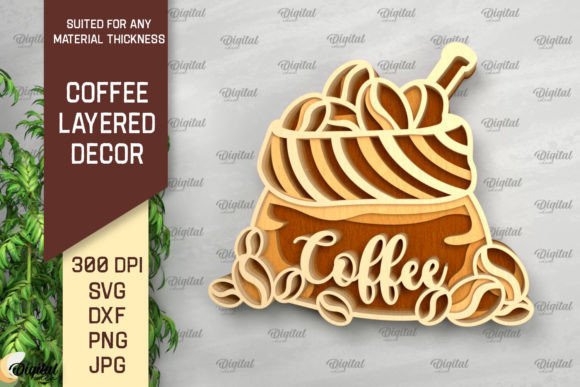
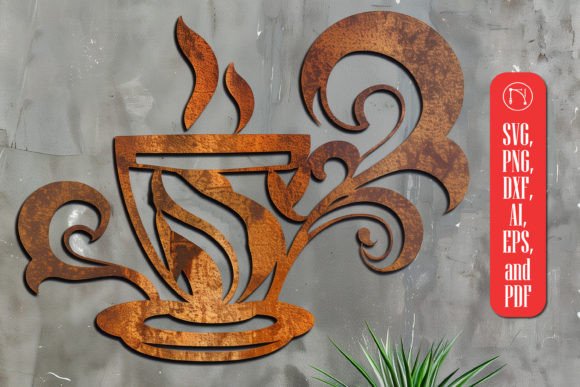
Transforming a blank wall into a focal point often requires more than just paint or standard prints. For those interested in personalized home aesthetics, digital fabrication offers a compelling route. The Coffee Wall Decor Laser Cut SVG Design has emerged as a popular resource for crafters and interior design enthusiasts looking to add texture and thematic warmth to their spaces. This specific design features a detailed coffee cup silhouette, enhanced with intricate steam patterns and coffee bean accents, providing a layered visual appeal that flat images cannot replicate.
However, before committing to a project, it is essential to understand what this file type entails, how it compares to other decor methods, and whether it aligns with your skill level and equipment. This article explores the practical aspects of using this laser cut design, helping you determine if it is the right choice for your next home improvement endeavor.
Understanding the Format and Technical Requirements
The term "SVG" stands for Scalable Vector Graphics. Unlike raster images (such as JPEGs or PNGs), which are made of pixels and can become blurry when enlarged, vector files use mathematical paths to define shapes. This makes the Coffee Wall Decor Laser Cut SVG Design infinitely scalable without loss of quality. This characteristic is crucial for laser cutting, where precision is paramount.
The design typically comes in a bundle of formats, including SVG, PNG, DXF, AI, EPS, and PDF. Each serves a distinct purpose:
- SVG and DXF: These are the primary formats for most consumer-grade laser cutters and vinyl cutting machines. They preserve the vector paths needed for the machine to follow.
- AI and EPS: These are preferred by users working in professional design software like Adobe Illustrator or CorelDRAW, allowing for further customization of nodes and curves.
- PNG and PDF: Useful for reference, printing stencils, or sublimation projects, though they do not offer the same editability for cutting paths.
Compatibility is a significant advantage here. Whether you own a diode laser, a CO2 laser, or a blade-based cutter, this design is engineered to work across various platforms. However, users must ensure their software can interpret these files correctly. While the design is ready-to-cut, minor adjustments to kerf width (the material removed by the laser beam) may be necessary depending on the specific machine and material thickness.
Comparing Laser Cut Decor to Alternative Wall Art Styles
When deciding on wall decor, consumers often weigh several options: framed prints, canvas art, 3D printed objects, and laser-cut designs. Each approach has distinct tradeoffs regarding cost, effort, and aesthetic outcome.
Laser Cut vs. Framed Prints
Framed prints are the easiest option. You buy a print, frame it, and hang it. The Coffee Wall Decor Laser Cut SVG Design requires significantly more effort. You must source materials, operate machinery, and assemble the piece. However, the result is tactile. Laser-cut wood or acrylic adds depth and shadow play that a flat print cannot achieve. If you value uniqueness and texture over convenience, the laser-cut route is superior. If you need instant decor with zero labor, a print is the better choice.
Laser Cut vs. 3D Printing
3D printing allows for complex geometries but is generally slower and leaves visible layer lines unless post-processed extensively. Laser cutting is faster for flat, layered designs and produces smooth edges immediately. The coffee cup design, with its steam and bean details, relies on layered silhouettes rather than volumetric complexity. Therefore, laser cutting is often more efficient and visually cleaner for this specific style of art compared to 3D printing.
Laser Cut vs. Hand-Carved Wood
Hand-carving offers an organic, rustic charm but requires advanced woodworking skills and significant time. The precision of the Coffee Wall Decor Laser Cut SVG Design ensures consistent, intricate details—such as the thin steam wisps—that would be fragile and difficult to carve by hand. For those without specialized woodworking tools, laser cutting provides a professional finish with a lower skill barrier, provided you have access to the hardware.
Material Selection and Aesthetic Impact
The final appearance of your wall decor depends heavily on the material chosen. The design’s versatility allows it to be cut from various substrates, each offering a different vibe:
- Plywood or MDF: Ideal for a warm, rustic, or farmhouse aesthetic. The natural grain of plywood complements the coffee theme, evoking a cozy cafe atmosphere. MDF paints smoothly if you prefer a solid color.
- Acrylic: Offers a modern, sleek look. Clear or colored acrylic can create a contemporary feel, especially if backlit. However, acrylic lacks the warmth associated with traditional coffee culture.
- Metal: For industrial-style interiors, cutting this design from thin steel or aluminum adds an edgy, durable element. This requires a more powerful laser or plasma cutter, moving beyond typical hobbyist equipment.
Choosing the right material is not just about aesthetics but also durability. Wood may warp in high-humidity environments like kitchens, whereas acrylic and metal are more resistant to moisture. Consider the placement of the decor when selecting your substrate.
Practical Considerations and Limitations
While the Coffee Wall Decor Laser Cut SVG Design is robust, it is not without limitations. Understanding these helps manage expectations.
Assembly Complexity: Intricate designs often involve multiple layers. The steam details and coffee beans may be separate pieces that need to be glued or pinned onto the base cup shape. This requires patience and precision. Misalignment during assembly can detract from the clean lines of the vector design.
Machine Constraints: Not all lasers can handle fine details. Diode lasers, while affordable, have a larger beam spot size than CO2 lasers. This means very thin lines in the steam pattern might not cut cleanly or could burn excessively. Users with entry-level machines should test cut small sections first to adjust power and speed settings.
Size Limitations: If you plan to create a large-scale piece, you may need to tile the design if your machine’s bed size is smaller than the desired output. This introduces seams that must be managed aesthetically or structurally.
Who Is This Design Best Suited For?
This design is an excellent fit for specific groups:
- Cafe Owners: Creating branded, custom wall art can enhance the ambiance of a coffee shop without the high cost of commissioned metalwork.
- DIY Enthusiasts: Individuals who enjoy the process of making and have access to cutting machines will find this project rewarding. It serves as a great intermediate-level project to practice layering and finishing techniques.
- Gift Makers: A personalized coffee-themed piece makes a thoughtful gift for baristas or coffee lovers, adding a personal touch that store-bought items lack.
Conversely, this may not be the right choice for those without access to cutting equipment who are unwilling to outsource the cutting. While some local makerspaces offer machine access, the learning curve and time investment may outweigh the benefits for someone seeking a quick decor fix.
Making the Final Decision
Choosing to use the Coffee Wall Decor Laser Cut SVG Design should be based on your desire for customization versus convenience. If you value a unique, textured piece that reflects a passion for coffee and craftsmanship, this digital file provides a strong foundation. It bridges the gap between digital design and physical art, allowing for creative freedom in material and finish selection.
Before proceeding, evaluate your available tools, the intended location of the decor, and your comfort level with assembly. If you have the equipment and the inclination to create, this design offers a reliable, high-quality path to enhancing your living space. If you prefer zero-effort solutions, traditional wall art remains a viable alternative. Ultimately, the value lies in the personalization and the satisfaction of creating something tangible and meaningful.